October 22, 2026
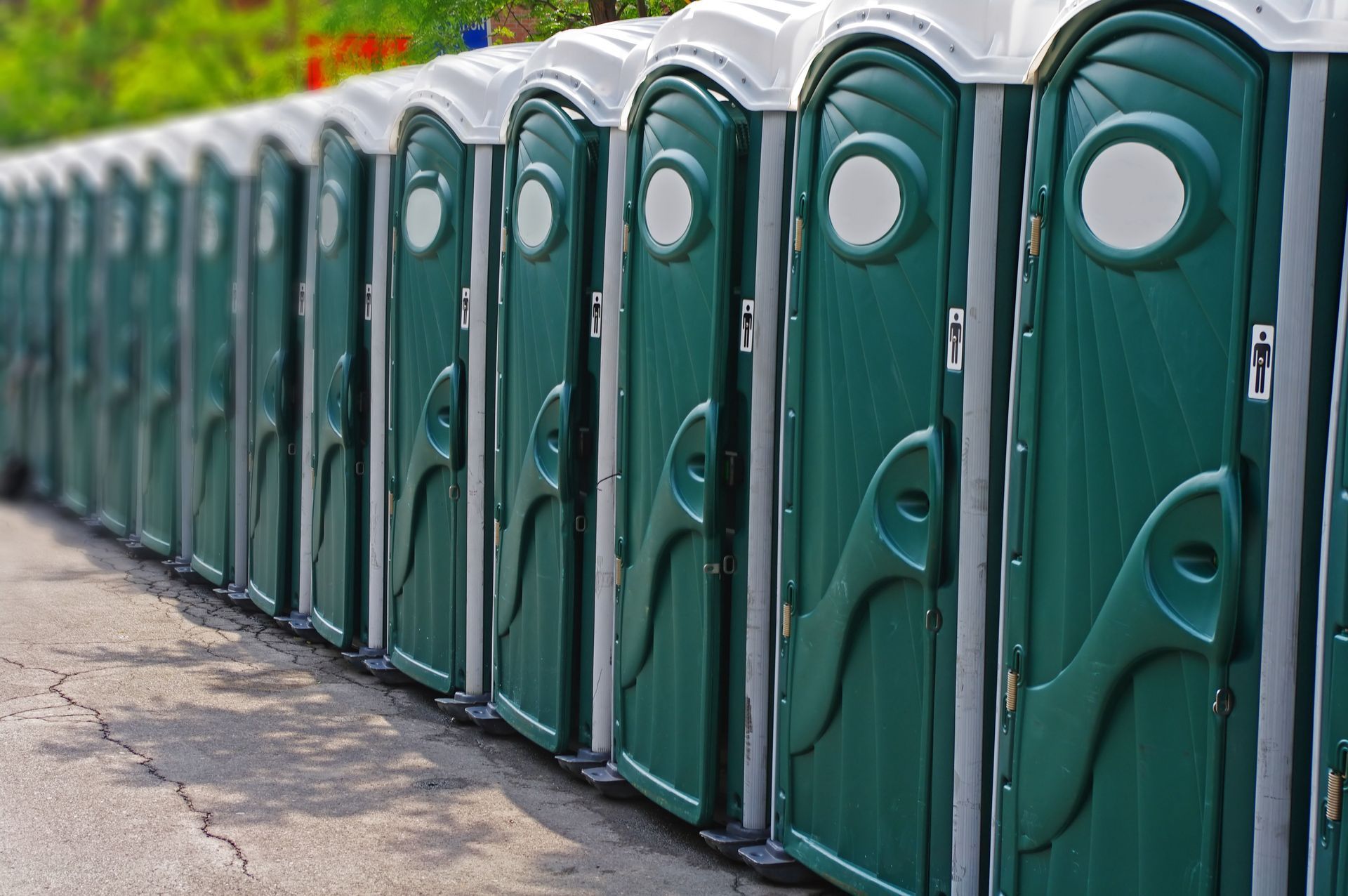
Portable restrooms can make construction projects, outdoor events, temporary work sites, and other locations more practical when permanent restroom facilities are unavailable or insufficient. However, choosing the right rental involves more than simply requesting a unit and selecting a delivery date. Asking the right questions before reserving a porta potty can help you understand capacity, placement, servicing, accessibility, and rental terms before the unit arrives.
Portable sanitation can also provide environmental advantages. According to JohnTalk, portable toilets use approximately 90% less water per use than conventional toilets and collectively save around 45 billion gallons of fresh water each year. Those savings demonstrate why portable sanitation remains useful for locations where traditional plumbing may not be practical. Before making a reservation, consider these six important questions so you can choose an arrangement that fits your site's needs.
1. How Many Units Will the Site Need?
Considering the Number of Users
The number of people expected to use the facilities is one of the most important considerations. A small work crew may have very different requirements from a large public event with hundreds of attendees. Providing the rental company with an accurate estimate helps determine how many units may be appropriate.
Considering the Length of Use
Usage can also depend on how long people will remain at the location. A short gathering may create different restroom demands than an all-day event or a construction project lasting several weeks. Rental professionals can consider both attendance and duration when discussing capacity.
Considering Peak Usage Periods
Some sites experience concentrated periods of restroom use. Event intermissions, meal breaks, and shift changes can cause several people to need facilities at once. Asking whether additional units would help accommodate these busy periods can reduce lines and improve convenience.
Considering Future Changes
Project staffing or event attendance can change after the original reservation. Ask whether your rental arrangement can be adjusted if the expected number of users increases. A porta potty provider can explain available options and help account for changing site demands.
2. What Type of Unit Will Be Appropriate?
Comparing Standard Units
Standard portable restrooms are commonly used for construction sites, outdoor gatherings, and temporary facilities. When discussing your rental, ask what features are included in a standard unit and whether that configuration is appropriate for the expected users and setting.
Comparing Accessible Units
Accessibility may be an important consideration for public events, workplaces, and other locations. Ask what accessible restroom options are available and whether specific requirements apply to your site. Larger accessible units can provide additional interior space and features intended to accommodate users with mobility needs.
Comparing Additional Features
Depending on the rental inventory, units may offer different features or configurations. Discuss the nature of the site with the rental provider instead of assuming every portable restroom is identical. The appropriate porta potty arrangement should reflect how and where the facilities will be used.
Comparing Site Requirements
A construction project, private gathering, commercial property, and community event can each create different sanitation needs. Explaining the site's purpose gives the rental company useful context for recommending suitable equipment rather than relying on a one-size-fits-all approach.
3. Where Can the Units Be Placed?
Evaluating Delivery Access
Portable restrooms need to reach the property safely. Narrow entrances, gates, landscaping, soft ground, construction activity, or other obstacles may influence placement. Ask about delivery requirements before selecting a location so the provider can determine whether the proposed area is reasonably accessible.
Evaluating User Convenience
Restrooms should be positioned where intended users can reach them without unnecessary difficulty. On larger properties, distance can become an important consideration. A porta potty that is conveniently located may also help keep people from walking through restricted or active work areas.
Evaluating Ground Conditions
The selected location generally needs to provide stable conditions for the unit. Uneven terrain, steep slopes, or areas prone to standing water may create complications. Rental professionals can evaluate placement concerns and discuss suitable options based on the property's characteristics.
Evaluating Service Access
Placement must account for more than initial delivery. Service vehicles may need continued access during longer rentals. Asking about these requirements in advance can prevent vehicles, materials, temporary structures, or changing site conditions from interfering with scheduled servicing.
4. How Often Will the Units Be Serviced?
Understanding the Service Schedule
Longer rentals typically require ongoing servicing to keep facilities usable. Before reserving, ask what service schedule is included and how frequency is determined. Expected usage, rental duration, and site conditions may all influence how frequently attention is appropriate.
Understanding Routine Maintenance
Ask what occurs during a scheduled service visit. Knowing what the provider handles gives you a clearer understanding of the rental and helps establish expectations for longer projects. Regular professional attention is an important part of maintaining a porta potty throughout extended use.
Understanding High-Use Needs
Sites with heavy traffic may require different servicing arrangements than locations with relatively few users. Construction crews, festivals, and busy commercial projects can generate significant demand. Providing realistic usage information allows the rental company to recommend a schedule suited to the circumstances.
Understanding Service Changes
Conditions sometimes change after a rental begins. Ask what happens if usage increases or additional service becomes necessary. Understanding how service adjustments are handled can be especially helpful for projects with changing crew sizes or events where attendance estimates evolve.
5. What Does the Rental Agreement Include?
Reviewing the Rental Period
Rental durations vary considerably. Some customers need facilities for a single event, while others require them for weeks or months. Confirm when the rental begins, when pickup is expected, and how extensions are handled if your schedule changes unexpectedly.
Reviewing Included Services
Ask which services are part of the quoted rental arrangement. Delivery, pickup, and ongoing servicing can affect the overall experience, so understanding what is included helps avoid confusion. Clear expectations also make it easier to coordinate a porta potty rental with broader project or event schedules.
Reviewing Site Responsibilities
Rental companies may establish requirements concerning access, placement, relocation, or protection of units while they are on the property. Reviewing these expectations before delivery helps property owners and project managers understand their responsibilities throughout the rental period.
Reviewing Schedule Changes
Weather, construction delays, attendance changes, and scheduling conflicts can alter plans. Ask how the provider handles extensions, early pickups, additional units, or other changes. Knowing these policies beforehand can make unexpected adjustments easier to manage.
6. When Should the Reservation Be Made?
Planning Around the Project Date
Waiting until the last moment can limit available options, particularly during periods of high demand. Once your project or event dates are reasonably established, asking about availability can help you coordinate sanitation facilities with other site preparations.
Planning Around Seasonal Demand
Outdoor events and construction activity may increase during certain parts of the year. If your dates fall during a busy season, earlier scheduling may provide greater flexibility. Ask the rental provider whether seasonal demand could affect porta potty availability for your preferred timeframe.
Planning Around Delivery Timing
Delivery should fit logically into the broader site schedule. For events, facilities generally need to be ready before guests arrive. For work sites, units may be needed before crews begin regular operations. Discuss timing so delivery does not interfere with other activity.
Planning Around Potential Adjustments
Schedules can shift, particularly on construction projects. Ask how much notice is preferred when changing delivery or pickup dates. Understanding scheduling policies can help you respond more effectively if weather, permitting, or other circumstances affect the original plan.
Choosing portable sanitation is easier when you understand exactly what the rental will provide. Asking about quantity, unit types, placement, servicing, rental terms, and scheduling can help ensure the facilities are appropriate for the people and property involved. A well-planned porta potty rental supports sanitation and convenience without creating unnecessary complications for your event or work site.
If you need dependable portable sanitation for an upcoming project, event, or temporary location, contact Titan Drilling Corp today to discuss your needs, ask questions, and reserve the right facilities for your site.