October 10, 2026
Choosing the right location for a water well is an important decision that affects water availability, quality, and the long-term performance of the system. Although a property may appear to have several suitable locations, not every area offers the same access to groundwater or the same conditions for successful installation. Professional well drilling involves evaluating the land, studying underground conditions, and identifying potential obstacles before equipment arrives at the site. These preparations help property owners make informed decisions and reduce the likelihood of avoidable complications during construction. Experienced drilling professionals consider geological information, surrounding land uses, drainage patterns, and the intended purpose of the well. They also evaluate accessibility to ensure that heavy equipment can reach the selected location safely. Understanding these factors helps property owners recognize why careful planning is essential before beginning a new project.
Evaluating Groundwater Availability
The first step in selecting a suitable well location involves determining where groundwater may be available beneath the property. Professionals review geological information, local well records, and other available resources to understand the area's underground water conditions. These resources can reveal patterns in groundwater depth, aquifer characteristics, and the success of nearby wells. According to the Centers for Disease Control and Prevention (CDC), approximately one in eight Americans relies on a private well for drinking water. This dependence highlights the importance of selecting an appropriate location and planning carefully before developing a private water supply. During the evaluation, professionals consider whether the expected groundwater supply can meet the property's anticipated daily needs. By assessing available evidence before starting well drilling, professionals can make more informed recommendations about the property's potential.
Assessing Soil and Rock Conditions
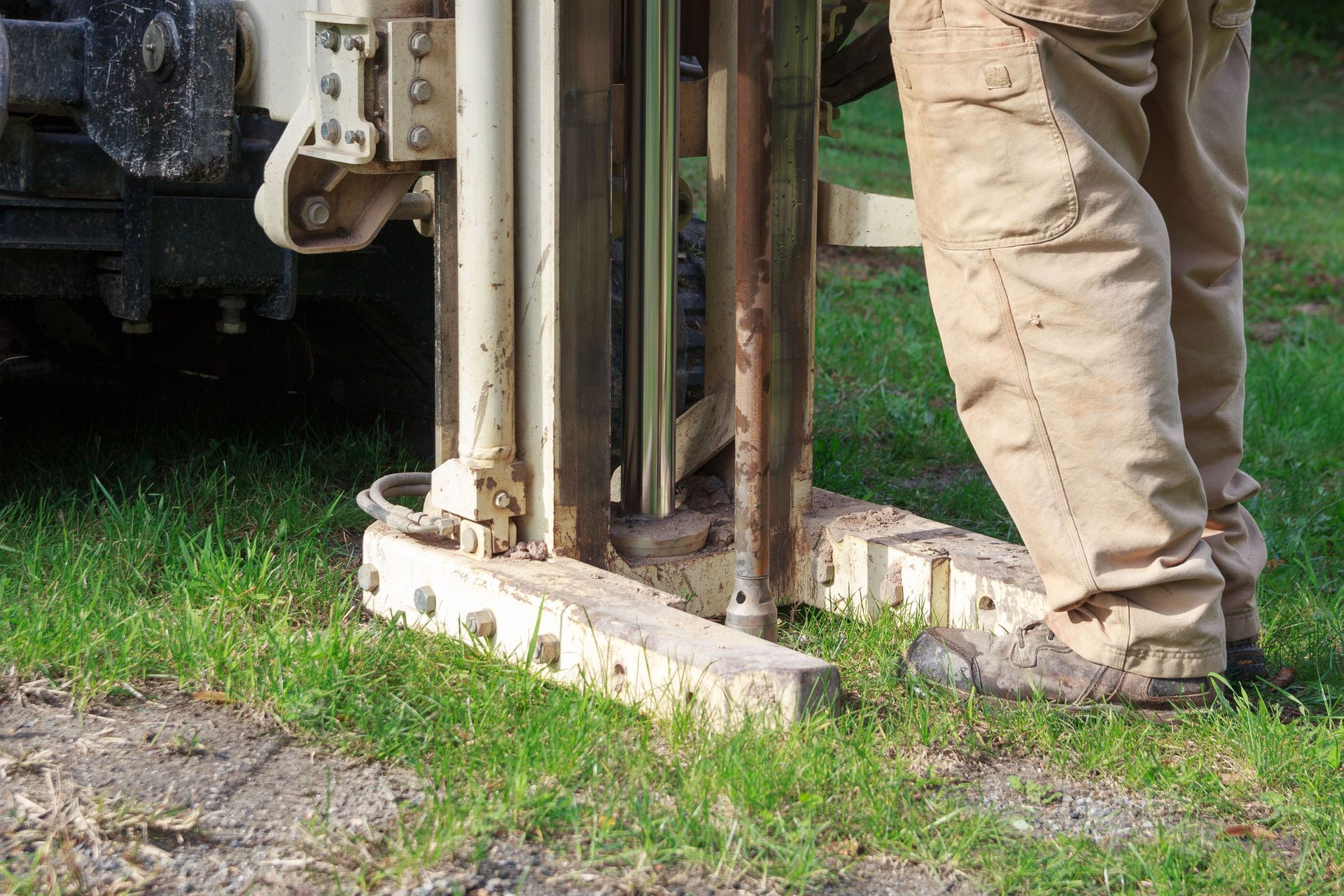
The materials beneath the ground influence how a well must be constructed and how easily drilling equipment can penetrate the earth. Professionals evaluate available geological records to identify whether the property contains sand, clay, gravel, limestone, or harder rock formations. Each material presents different considerations for drilling methods, casing requirements, and the expected depth of the finished well. For example, loose or unstable formations may require additional measures to keep the borehole from collapsing during construction. Dense rock can require specialized equipment and affect how quickly drilling progresses through the selected location. Professionals also consider how underground formations may influence groundwater movement and the ability of a well to produce an adequate supply. These findings help determine whether a proposed location is practical for the property's water requirements and construction conditions. Careful site evaluation allows the well drilling team to prepare appropriate equipment and anticipate challenges before work begins.
Identifying Safe Separation Distances
A suitable drilling location must provide appropriate separation from potential sources of contamination that could affect groundwater quality. Professionals inspect the surrounding property for septic systems, drain fields, fuel storage areas, livestock facilities, chemical storage, and other possible hazards. These features matter because contaminants can move through soil and reach groundwater under certain environmental conditions. Local regulations may establish minimum distances between wells and specific structures or land uses, so the proposed location must comply with applicable requirements. Professionals also consider the direction of surface drainage and available information about groundwater movement when evaluating potential risks. A location that appears convenient may be unsuitable if nearby activities could threaten the safety of the water supply. Selecting a safer location helps reduce contamination risks, although proper construction, maintenance, and water testing remain necessary. Before beginning well drilling, property owners should discuss relevant setbacks and site conditions with qualified professionals familiar with local requirements.
Examining Drainage and Surface Conditions
The shape and condition of the land can influence whether a proposed drilling location is suitable for long-term use. Professionals examine slopes, low-lying areas, standing water, and natural drainage routes to understand how rainwater moves across the property. Locations that collect runoff may require additional consideration because surface water can carry pollutants from nearby areas. In some situations, choosing higher ground with appropriate drainage can help reduce the chance of contaminated water accumulating around the wellhead. However, elevation alone does not establish whether a location has adequate groundwater or suitable underground conditions. Professionals must balance surface characteristics with geological findings, contamination setbacks, and construction requirements. They also consider whether the finished well can be protected from flooding and other environmental hazards. Combining these observations helps identify a location that supports both practical installation and ongoing protection of the water supply.
Planning Equipment Access and Installation
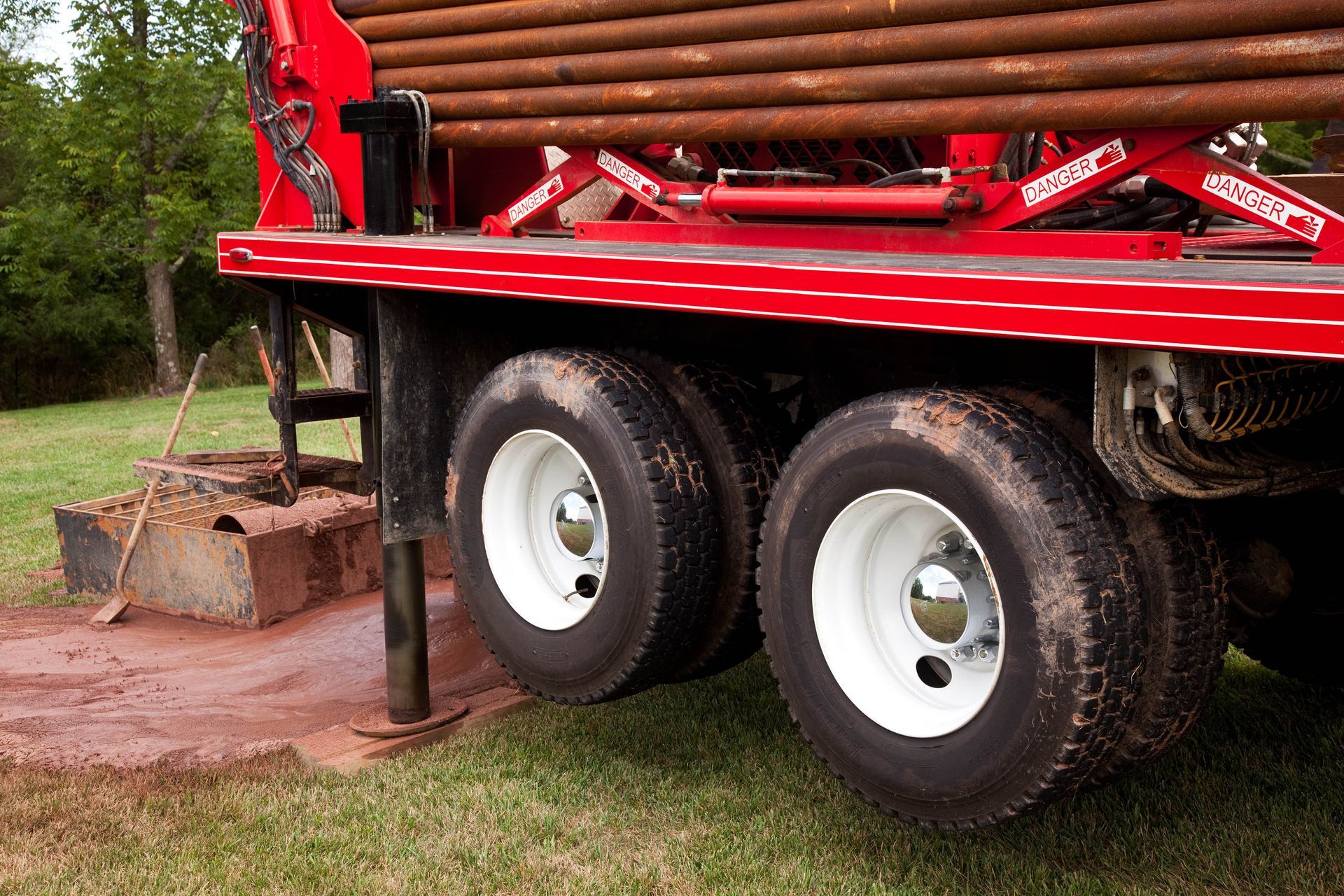
Even when underground conditions appear promising, the selected location must accommodate the equipment and work required to construct the well. Drilling rigs, support vehicles, pipes, and other materials need sufficient space to reach the site and operate safely. Professionals assess driveway conditions, gate widths, overhead branches, utility lines, and other obstacles that could interfere with equipment movement. They may recommend clearing a limited area or adjusting the proposed location to provide a safer working environment. The installation plan must also account for the space needed to position the drilling rig and manage materials throughout the project. Property owners should identify underground utilities before excavation or drilling begins to reduce the risk of damaging existing infrastructure. Experienced contractors coordinate these practical considerations with the geological assessment rather than treating accessibility as an afterthought. Careful planning helps keep the project organized and reduces the likelihood of unnecessary delays or site disruptions.
Matching the Location to Water Needs
The best drilling location also depends on how the property owner intends to use the water supply. A household may require enough water for drinking, cooking, bathing, laundry, and other everyday activities. Agricultural properties may have different requirements because irrigation, livestock, and seasonal demand can substantially influence total water needs. Professionals discuss these expectations before recommending a location and developing a plan for the well. They consider available groundwater information and whether the anticipated well depth and construction approach may support the intended demand. Water quantity and water quality are separate considerations, so a productive well must still be evaluated for suitability as a drinking water source. Testing after installation helps identify potential contaminants and determine whether treatment may be necessary. By matching site selection with the property's actual needs, professionals can help owners plan a water system that is practical for its intended purpose.
Preparing for a Successful Installation
Once a preferred location has been identified, professionals review the findings and confirm that the proposed site meets applicable requirements. This process may include checking permits, confirming required setbacks, reviewing utility locations, and addressing any concerns discovered during the initial assessment. Property owners should communicate information about existing structures, septic systems, drainage problems, and planned future construction. Sharing these details helps the drilling team evaluate the site more accurately and avoid preventable conflicts. The contractor can then explain the expected well drilling approach, anticipated challenges, and any remaining decisions that need attention before work begins. Although site assessments cannot guarantee a particular groundwater yield, they provide a more informed basis for planning the project. Working with experienced specialists also helps property owners understand their responsibilities for protecting and maintaining the completed well.
Selecting the right location requires more than choosing an open area where drilling equipment can fit. Professionals must consider groundwater availability, underground materials, contamination risks, drainage, accessibility, and the property's expected water demand. Each factor contributes to the suitability of the proposed site and the long-term performance of the completed system. Property owners who understand these considerations can participate more effectively in planning and make better-informed decisions about their water supply. Titan Drilling Corp can help property owners evaluate site conditions and determine an appropriate approach for their project. Contact us to discuss your property, review your water needs, and take the next step toward carefully planned well drilling.