November 16, 2026
A properly functioning septic system supports a clean, comfortable home, but slow drains, unpleasant odors, and wet yard areas may signal developing problems. Regular maintenance is especially important for New York homeowners facing seasonal weather changes. Recognizing warning signs early and scheduling professional septic service can help address concerns promptly, protect wastewater infrastructure, and reduce the risk of costly damage.
Recognizing Slow Drains and Plumbing Backups
Slow drains can indicate an isolated plumbing issue, but when several fixtures begin draining poorly at the same time, the problem may involve the septic system. Sinks, showers, bathtubs, and toilets that repeatedly drain slowly deserve attention, particularly when the change occurs throughout the house rather than in one location.
A septic system depends on wastewater moving through the plumbing and into the tank before flowing to the drainfield. When a blockage, excessive buildup, or another system problem interferes with this process, wastewater may not move as expected. Persistent gurgling sounds from drains or toilets can also accompany changes in the system's operation.
Backups are a more urgent warning sign. Wastewater coming back through household fixtures may indicate that the system cannot accept or move additional flow effectively. This situation can create unsanitary conditions and damage interior surfaces if it continues.
Homeowners should not dismiss recurring drainage problems as ordinary plumbing inconveniences. A qualified professional providing septic service can assess whether the concern originates in the household plumbing, septic tank, or another part of the wastewater system. Prompt evaluation helps identify the cause and determine the appropriate response before the disruption becomes more serious.
Identifying Unpleasant Odors Around the Property
Persistent sewage odors inside or outside the home can signal a problem that warrants professional attention. Homeowners may notice a strong smell near drains, around the septic tank area, or above the drainfield. Although odors can have different causes, they should not be treated as a normal feature of owning a septic system.
A properly operating system manages wastewater within designated components. Unusual odors may develop when wastewater is not moving correctly, a component is damaged, or gases are escaping where they should not. Problems with plumbing traps or ventilation can also contribute to indoor smells, so identifying the source is important.
Outdoor odors may become more noticeable during warmer weather, but they can occur in any season. If a sewage smell persists, grows stronger, or appears alongside slow drains or wet ground, arranging a professional septic service assessment is a sensible next step.
Homeowners should avoid entering septic tanks or attempting to inspect enclosed components themselves. These areas can contain hazardous gases and present serious safety risks. A trained professional can evaluate the system using appropriate procedures and equipment, helping determine whether repairs, pumping, or further investigation may be needed.
Watching for Wet Ground and Unusually Green Grass
Changes in the yard can provide important clues about septic system performance. Areas above or around the drainfield that remain unusually wet without a clear weather-related explanation may indicate that wastewater is not dispersing properly. Similarly, patches of grass that grow noticeably greener or faster than surrounding vegetation may be receiving excess nutrients or moisture from wastewater.
These signs do not automatically confirm a septic failure. Heavy rain, poor surface drainage, irrigation, and other landscaping conditions can create similar patterns. However, unexplained wet spots or changes in vegetation deserve attention when they occur near septic components, particularly if the household is also experiencing plumbing problems.
Standing water near a drainfield can create sanitation concerns, especially if wastewater reaches the surface. Children and pets should be kept away from suspected wastewater areas until the situation has been assessed. Avoid driving or parking heavy vehicles over the drainfield, as excess weight can compact soil and damage system components.
New York homeowners should pay particular attention after periods of substantial rainfall or during spring snowmelt, when saturated ground can make drainage problems more apparent. If wet areas persist after surrounding ground begins to dry, a professional inspection can help establish whether the septic system is contributing to the problem.
Monitoring Sewage Levels and Tank Maintenance Needs
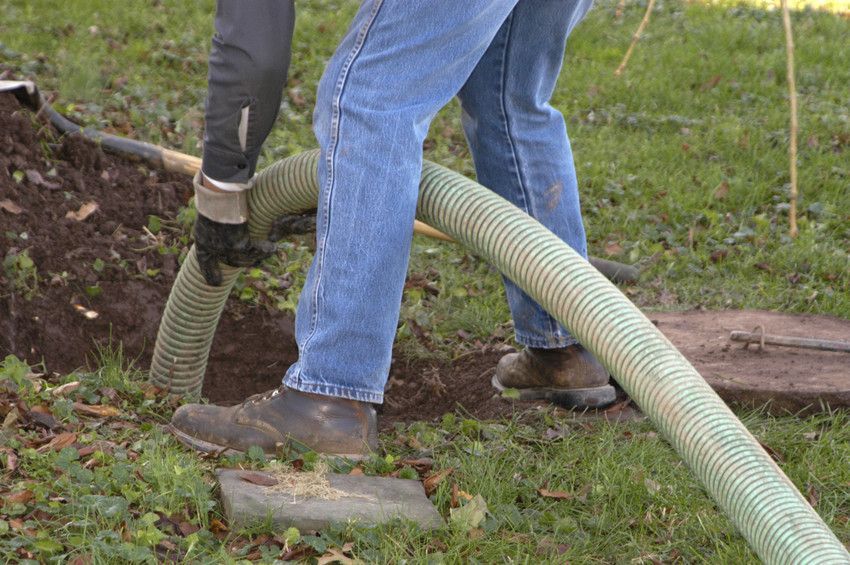
A septic tank separates solids from wastewater, allowing heavier material to settle while oils and grease collect near the surface. Over time, accumulated solids require professional attention. If the tank is not inspected and maintained appropriately, excessive buildup can interfere with normal operation and contribute to problems farther along the system.
According to the Environmental Protection Agency (EPA), a typical household septic system should receive an inspection by a qualified professional at least once every three years. The appropriate pumping schedule varies according to tank size, household occupancy, water use, and the amount of solids present. Some systems require more frequent attention than others.
This maintenance schedule matters even when there are no obvious warning signs. A septic tank may need service before slow drains, odors, or backups develop. Waiting until symptoms appear can make it more difficult to prevent disruptions and may increase the risk of damage to other system components.
Homeowners should keep records of previous inspections, pumping visits, repairs, and system details when available. These records help professionals understand the system's history and recommend an appropriate maintenance schedule. Routine septic service also provides an opportunity to identify developing concerns before they interfere with daily household activities.
Responding to Changes in Household Water Use
A septic system is designed to handle a certain amount of wastewater based on its size and configuration. When water use increases significantly, the additional flow can place pressure on the tank and drainfield. Guests staying for an extended period, multiple laundry loads, or simultaneous use of several plumbing fixtures may contribute to temporary strain.
A system that already has drainage or maintenance problems may be less able to accommodate these changes. Homeowners might notice slow fixtures, gurgling sounds, or wastewater backing up after periods of unusually heavy water use. These symptoms should not automatically be attributed to a busy household, especially if they continue after water use returns to normal.
Leaks can also increase the amount of water entering a septic system without providing any household benefit. A continuously running toilet or leaking fixture may send more wastewater into the tank than expected. Addressing plumbing concerns promptly can help keep water use within the system's intended capacity.
Professional evaluation is particularly important when changes in water use coincide with repeated warning signs. An assessment can help distinguish temporary demand from a developing system problem and clarify which corrective measures may be appropriate.
Understanding Seasonal Risks in New York
Seasonal weather can influence how a septic system performs, particularly when the surrounding soil becomes saturated or frozen. Heavy rain may reduce the ground's ability to absorb additional wastewater, while snowmelt can create wet conditions around the drainfield. During colder months, inadequate insulation, limited use in certain properties, or unusually low temperatures can contribute to freezing in vulnerable system components.
These conditions do not mean every seasonal change indicates a malfunction. However, homeowners should pay attention when weather-related changes coincide with slow drains, sewage odors, standing water, or other unusual symptoms. Recognizing the difference between temporary outdoor conditions and persistent warning signs can help guide timely decisions.
Seasonal properties need maintenance tailored to occupancy and system design. Schedule professional septic service before winter and after heavy rainfall. Addressing backups, sewage odors, and wet drainfield areas promptly helps prevent damage. Maintain inspection records and seek professional assistance when warning signs appear to protect your home's wastewater system.
For property owners across New York, Titan Drilling is a resource to contact when exploring well and water-related services and discussing the needs of their property. Reach out to Titan Drilling to learn more about available services and determine the appropriate next step for your home.