November 16, 2026
Deep wells provide important water sources for New York properties, especially where groundwater lies far below the surface. A professional drilling company uses specialized equipment to navigate varying soil, rock, and groundwater conditions. Evaluating the site and selecting suitable machinery helps ensure the well is constructed to meet the property's water needs and geological requirements.
How Does Well Depth Affect Equipment Requirements?
The depth of a well directly influences the type of machinery and drilling methods needed for construction. Shallow wells may pass through relatively accessible soil layers, while deeper wells can extend through multiple formations before reaching a suitable water-bearing zone. As drilling depth increases, equipment must be capable of maintaining stability, managing the drill string, and bringing cuttings back to the surface.
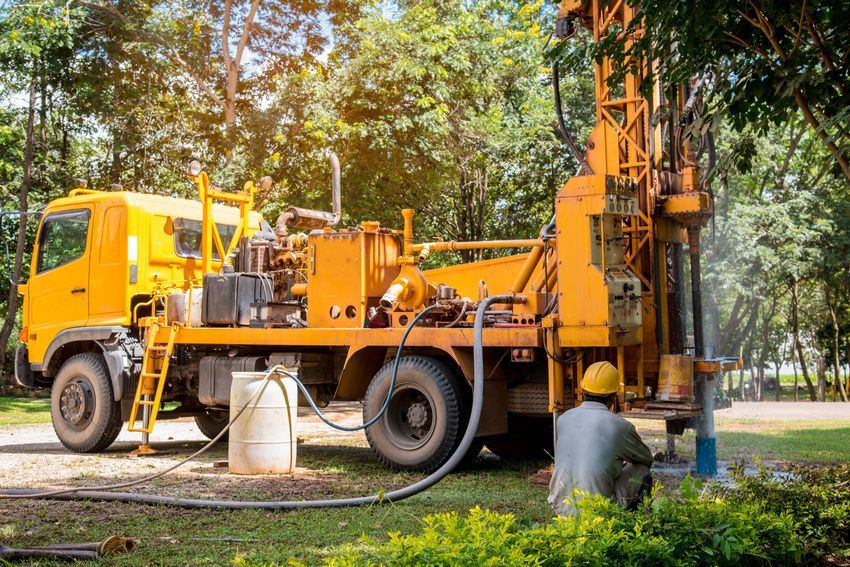
According to the World Water Reserve, deep wells frequently extend beyond 300 feet, making professional drilling rigs and heavy machinery important for reaching underground water sources. These projects require equipment designed to operate at significant depths rather than machinery intended for smaller excavation tasks.
A specialized drilling company evaluates the anticipated depth and geological conditions before selecting equipment. This planning helps determine the appropriate rig capacity, drill components, and supporting systems for the project.
Why Are Heavy-Duty Drilling Rigs Necessary?
Drilling rigs provide the mechanical power and structural support needed to penetrate soil, sediment, and rock. Their capabilities allow operators to apply controlled force while advancing the borehole. Deep well projects often require substantial equipment because the machinery must support the weight of the drill string and maintain consistent operation over extended periods.
Rig capacity also matters when working through changing underground conditions. Dense rock, compacted material, and other formations can create different levels of resistance. Equipment with suitable power and control helps operators respond to these conditions without relying on machinery that is not designed for the workload.
Transport and setup are additional considerations. Large rigs and support vehicles must reach the property, fit within the available work area, and operate safely around existing structures, landscaping, and utilities. An experienced drilling company considers these site requirements when preparing for a project.
How Does Specialized Equipment Handle Different Ground Conditions?
New York properties can have widely varying underground conditions. A drilling site may contain loose soil, gravel, clay, fractured rock, or solid bedrock. These materials do not respond to drilling in the same way, so equipment and drilling methods must be appropriate for the formations encountered.
Rotary drilling systems are commonly used in deeper well construction because they can advance through different types of material. Depending on the method and site conditions, drilling fluid or air may help carry rock fragments and soil cuttings toward the surface. This process keeps the borehole clear enough for drilling to continue.
The selection of drill bits is equally important. Different bit designs are suited to different materials, and using an appropriate option can help maintain progress through changing formations. A professional drilling team monitors conditions as the borehole advances and adjusts its approach when necessary.
Specialized equipment also supports better control when the ground becomes unstable. Certain formations may require casing or other measures to keep the borehole from collapsing. Matching equipment to the site's geology helps support a stable opening for the well's remaining construction stages.
What Role Does Casing Equipment Play in Deep Wells?
Drilling creates the opening for a well, but that opening must remain stable as construction continues. Casing is a pipe installed inside the borehole to support its walls and help protect the well from surrounding materials. In deeper wells, selecting and installing the casing correctly is especially important because the borehole may pass through several geological layers.
Specialized handling equipment helps position casing sections and lower them into the well. The casing must be compatible with the borehole dimensions and the conditions identified during drilling. Depending on the design, sections may be joined to create a continuous protective lining.
Casing also helps separate the well from unwanted materials that could enter from surrounding formations. When installed as part of a properly designed system, it supports the well structure and helps protect the water supply. A qualified drilling company considers casing requirements during project planning rather than treating them as an afterthought.
How Do Pumps and Water Testing Equipment Support Well Construction?
Reaching groundwater is only one part of completing a deep well. The finished system must also bring water to the surface at a rate appropriate for the property's needs. Pump equipment is selected based on factors such as well depth, water level, expected demand, and system design.
Deep wells may require submersible pumps positioned below the water level. These pumps push water upward through a discharge pipe rather than relying on surface suction. Proper sizing and placement help the system operate effectively while accounting for the distance water must travel.
Testing equipment is also important during and after construction. Professionals may evaluate water levels, pumping performance, and the well's ability to provide a consistent supply. Water testing can identify certain contaminants and help determine whether additional treatment may be appropriate. These steps provide useful information about the completed system and its suitability for the property's intended use.
Why Does Equipment Maintenance Matter During Drilling?
Deep well projects place sustained demands on drilling machinery. Drill bits, rods, pumps, hoses, and other components experience repeated use as the borehole advances. Keeping these parts in suitable working condition helps support consistent operation and reduces the likelihood of avoidable equipment problems.
Routine inspections allow operators to identify wear, damaged connections, leaks, or other issues before they interfere with the work. Proper maintenance also helps ensure that equipment performs according to its intended operating requirements. Because deep drilling can involve substantial mechanical loads, equipment condition is an important part of project preparation and jobsite management.
A professional drilling company relies on trained operators who understand how to inspect and handle specialized machinery. Their familiarity with the equipment helps them recognize when adjustments or maintenance are needed as site conditions change. This attention supports a more organized process from initial drilling through well completion.
How Does Site Planning Influence Equipment Selection?
Equipment must be suitable not only for the underground conditions but also for the property itself. Access roads, available working space, slopes, overhead obstructions, and nearby structures can all influence how machinery is transported and positioned. Properties in rural parts of New York may offer different access considerations than residential lots in more developed areas.
Before work begins, the drilling team should consider where the rig and support vehicles can safely operate. The planned location should also account for applicable property requirements, existing utilities, and the intended placement of the completed well. Careful planning helps reduce unnecessary disruptions and supports a more efficient work area.
A drilling company can assess these considerations while determining which rig and supporting equipment are appropriate. This evaluation is particularly useful when a property has limited access or challenging terrain. Matching the equipment to both the geology and the site helps keep the project aligned with its practical requirements.
How Does Professional Equipment Support Long-Term Well Performance?
The equipment used during construction can influence the reliability of a well long after drilling is complete. Proper borehole preparation, suitable casing, and correctly selected pumping components all contribute to a functional water system. When these elements are matched to the property's conditions, the finished well is better positioned to meet ongoing water demands.
Professional oversight also helps ensure that construction decisions account for depth, geology, and the intended use of the water supply. A qualified drilling company can explain how equipment choices relate to the well design and what property owners should understand about the completed system.
For New York property owners planning a deep water well, working with an experienced team is an important step toward a dependable result. Titan Drilling provides well drilling services for customers seeking a water source suited to their property's conditions. Contact the team to discuss your project, evaluate your site, and learn more about the equipment and services needed for your well.