September 4, 2026
Managing a successful construction project requires careful coordination of equipment, labor, materials, and overall site infrastructure. While project managers spend significant time organizing heavy machinery, delivery schedules, and subcontractor timelines, basic site amenities often receive less attention until unexpected operational challenges arise. Adequate sanitation facilities are fundamental to maintaining site safety, worker morale, and daily operational efficiency across all phases of development. When tradespeople and site personnel lack convenient access to clean, functional restrooms, overall jobsite productivity drops, safety hazards increase, and project timelines can experience unnecessary friction.
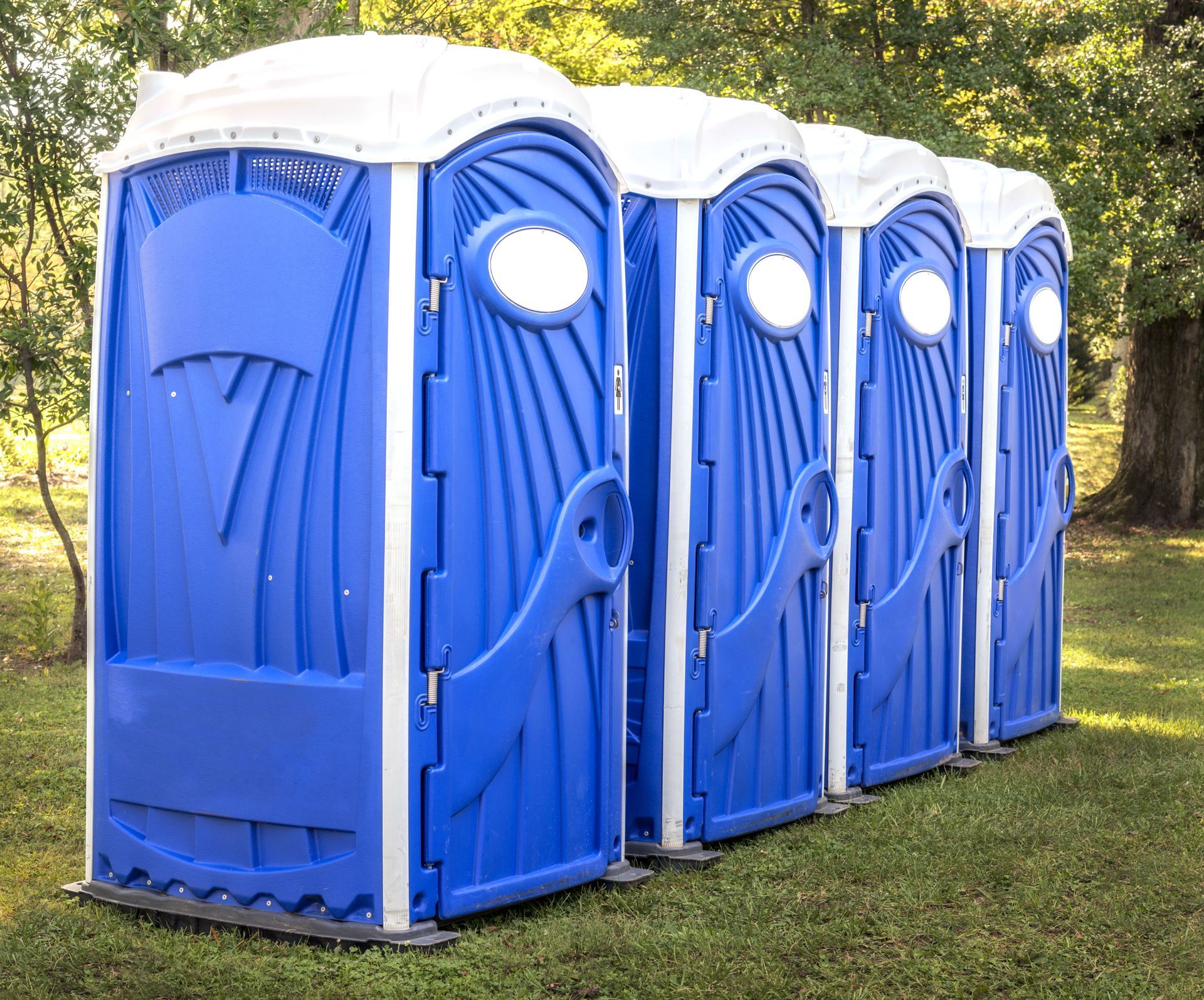
Providing a sufficient number of temporary restrooms on a busy construction site is not merely a matter of convenience; it is a critical component of professional site management and compliance with general health standards. As project phases progress, structural footprints expand, and total crew sizes fluctuate, initial site equipment planning may no longer meet the actual physical needs of your workforce. Recognizing early warning signs that your current setup is overburdened allows project leaders to address site demands proactively. Adding extra porta potties ensures that your jobsite continues to operate smoothly, efficiently, and safely without unexpected operational delays caused by logistical bottlenecks near basic amenities.
1. Observing Long Lines During Peak Shift Changes
One of the most immediate indicators that your temporary restroom infrastructure is falling short is the development of queues during normal working hours. On active construction sites, shift changes, morning arrival periods, mid-day breaks, and scheduled lunch hours generate concentrated demand for facilities within brief timeframes. When workers are forced to stand in line for extended periods just to access basic facilities, valuable operational time is lost from active work zones. Over the course of a standard workweek, these recurring brief delays accumulate into substantial lost labor hours across your entire workforce.
Beyond the direct impact on active work hours, long queues create frustration and fatigue among crew members. Construction tasks demand continuous physical effort, high focus, and clear coordination among various specialized trades. Forcing workers to navigate crowded lines during their brief rest periods reduces the actual rest benefits of those breaks and negatively affects job satisfaction across the site. If project supervisors consistently observe workers waiting in lines near your facilities, it indicates that your current equipment allocation cannot handle peak volume. Placing extra porta potties near high-density work zones eliminates unnecessary queuing, allows crew members to return to their assignments promptly, and keeps daily project schedules on track.
2. Noticing Unpleasant Odors Near Active Work Areas
Proper ventilation and consistent waste management are essential features of modern temporary restrooms. However, when a facility is subjected to heavy usage that exceeds its designed daily capacity, unpleasant smells can rapidly escape into surrounding work areas. If noticeable odors begin drifting into active work zones, material storage areas, or administrative jobsite trailers, it serves as a clear indication that current units are overloaded. Excessive usage prevents containment systems from functioning properly, resulting in uncomfortable working conditions for everyone on site.
Persistent odors do more than create an uncomfortable atmosphere; they signal compromised hygiene conditions that can affect overall site health and professional standards. Workers forced to use poorly maintained or overwhelmed facilities may actively avoid using them, leading to lower morale and reduced focus on complex, detail-oriented construction tasks. Additionally, foul odors can attract unwanted pests to work areas, introducing unnecessary health and safety hazards. Installing extra porta potties distributes total user traffic across multiple units, helping maintain cleaner interior conditions, reducing waste buildup, and keeping work environments pleasant throughout the entire jobsite.
3. Measuring Extended Travel Distance Across Large Sites
As construction projects expand horizontally across large parcels or vertically through multi-story building structures, physical site layouts change dramatically over time. Facility locations that were convenient during early excavation phases often become distant and inconvenient as structural framing progresses or work shifts across sprawling properties. When tradespeople must walk long distances or navigate complex scaffolding and stairwells just to reach a restroom, daily productivity drops significantly. Excessive travel time subtracts directly from active working hours on specialized trade tasks.
Large commercial developments, multi-building residential complexes, and extensive infrastructure projects present unique geographic challenges for project planners. Requiring personnel to traverse hazardous work zones, heavy equipment paths, or muddy terrain repeatedly to reach centralized amenities increases unnecessary foot traffic and site exposure risks. Positioning units strategically across distinct zones guarantees that amenities remain easily accessible to every work crew, regardless of their current location on the property. Adding extra porta potties near active work clusters minimizes unnecessary walking time, supports site safety standards, and keeps trade professionals focused on their primary duties.
4. Handling Rapid Waste Accumulation Between Scheduled Services
Temporary waste management units are engineered to handle regular volume effectively when operated within standard capacity guidelines. However, when daily site usage spikes due to heavy labor demands, containment tanks fill far faster than originally anticipated. If your facility tanks reach full capacity long before scheduled maintenance visits, the risk of overflows, severe odors, and compromised hygiene increases dramatically. Relying on emergency pumping services disrupts regular site operations and creates administrative delays that could otherwise be avoided with proper equipment planning.
Structural durability and advanced engineering are key attributes of modern sanitation units. According to Clean Tech Loops, an average porta potty can last from 15 to 30 years before replacement is necessary. Despite this impressive structural longevity, individual units still rely on balanced daily usage to maintain clean and hygienic conditions for users. Overworking a single unit accelerates wear on internal mechanics, door locks, and ventilation components. Renting extra porta potties spreads total waste volume across multiple tanks, ensuring that all site facilities stay clean, functional, and pleasant between regular service appointments.
5. Managing Increased Crew Size Beyond Initial Planning
Construction project schedules are naturally dynamic, often requiring sudden increases in labor headcount to hit critical milestones or execute intensive project phases. When additional subcontractor teams arrive on site for concrete placement, framing, roofing, or specialized utility installations, total daily workforce numbers can double rapidly. If your site amenity strategy remains static while overall labor expands, your existing facility infrastructure will quickly become overwhelmed under the sudden surge in demand.
Failing to scale site amenities alongside growing labor numbers creates immediate operational friction across all trades working on the property. Specialized subcontractor teams expect clean, accessible, and adequate facilities while working on professional job sites. Inadequate equipment availability can lead to worker complaints, reduced trade efficiency, and potential non-compliance with regional occupational health and safety standards. Evaluating worker headcount trends regularly allows site managers to expand amenities before capacity issues emerge. Incorporating extra porta potties during heavy labor phases ensures seamless project scaling, supports contractor productivity, and maintains high standards across the entire construction site.
Maintaining high standards of safety, worker comfort, and operational efficiency requires ongoing attention to jobsite infrastructure. Recognizing early signs of facility strain enables project managers to take proactive measures before minor logistical issues escalate into significant productivity losses or site health concerns. By regularly monitoring wait times, overall site layout, odor levels, service frequencies, and fluctuating crew sizes, you can maintain an optimal work environment across every phase of construction. Upgrading your jobsite with adequate sanitation units protects daily workflow, supports trade efficiency, and keeps your project moving forward without unnecessary delays.
If you are ready to improve your jobsite infrastructure with reliable porta potties, contact us at Titan Drilling Corp today. We will help you select and position the ideal equipment to keep your workforce comfortable and productive on every project.