August 4, 2026
Setting up a residential or commercial water system is an important milestone for any property owner seeking true water independence. Selecting the right spot for your well requires balancing local geological conditions, surface environmental factors, municipal regulations, and long-term property development goals. While many landowners assume they can simply drill anywhere on their acreage, the reality involves precise site planning and specialized technical expertise. Partnering early in the process with reputable drilling companies ensures that your initial site assessment aligns with long-term performance, safety, and water accessibility.
Finding an ideal site guarantees that your household or agricultural operation receives a steady supply of clean, reliable groundwater for decades to come. Placing a well in an improper location can lead to severe contamination risks, inadequate flow rates, or expensive repair challenges down the line. By taking time to evaluate your surrounding landscape carefully, you protect both your financial investment and your family's health. Grounding your decisions in thorough research and professional guidance is always the most effective way to begin your well installation project.
Evaluating Topographical Features and Surface Elevation
Elevation and land slope play significant roles in determining where surface runoff travels during heavy rainstorms and seasonal thaw cycles. You should always aim to locate your new wellhead on higher ground relative to potential runoff pathways, ditches, and low-lying zones across your acreage. Low elevation areas are prone to standing water, recurring flooding, and localized soil saturation, which can compromise the sanitary seal around your well structure. Qualified drilling companies often recommend elevated ground to prevent floodwaters from pooling near the casing and contaminating the subterranean aquifer.
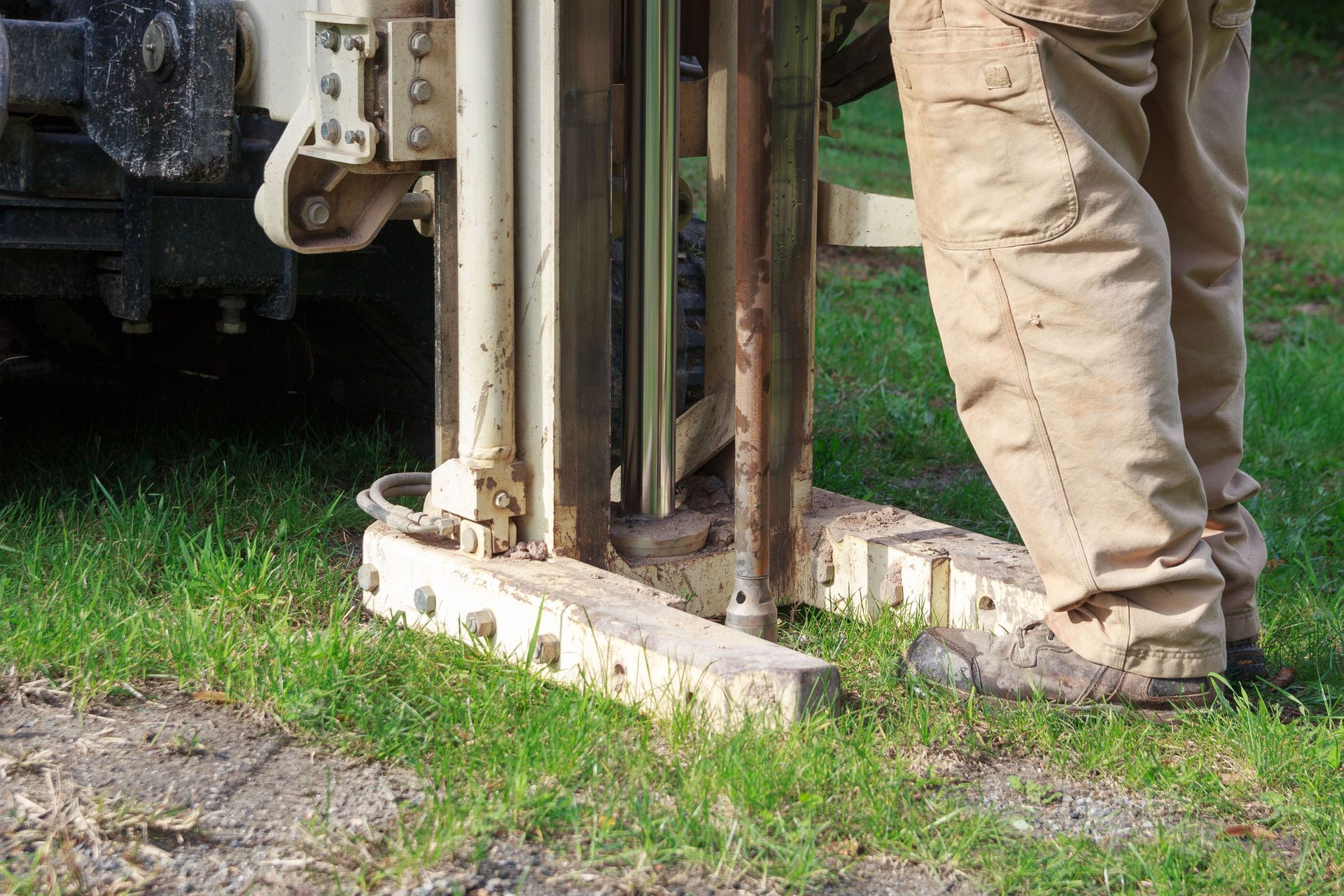
Steep slopes can also present physical challenges during both the initial drilling process and future routine maintenance operations. Heavy drill rigs and service trucks require stable, level ground to operate safely and effectively without risking dangerous equipment tipping or soil instability. Furthermore, placing a well on a steep incline can accelerate natural soil erosion around the wellhead structure over time. Consulting with experienced drilling companies helps you identify a flat, accessible location that maintains safe surface drainage away from the main well casing.
Ground elevation also influences the total depth required to reach adequate water-bearing rock layers beneath your specific parcel of land. Lower spots might sit closer to the shallow water table, but they carry a significantly higher risk of surface pollution and runoff contamination. Upper elevations may require deeper borehole depth, yet they typically offer superior natural filtration and protection against surface-level contaminants. Balancing these elevation trade-offs requires careful evaluation before any actual mechanical excavation or drilling begins on your property.
Mapping Potential Environmental Contamination Sources
Groundwater purity depends heavily on keeping adequate horizontal distance between your wellhead and surface-level pollution sources. Septic tanks, absorption fields, livestock enclosures, manure piles, and chemical storage sheds present constant threats to subterranean drinking water supplies. Most municipal health departments mandate specific minimum setback distances, usually ranging from fifty to one hundred feet from septic infrastructure. Working alongside professional drilling companies allows property owners to map out these critical buffer zones accurately before breaking ground on the project.
Beyond septic systems, you must account for nearby agricultural activities, asphalt driveways, fertilizer storage zones, and fuel storage tanks. Rainwater can wash harmful herbicides, pesticides, synthetic chemical fertilizers, motor oil, and road salt down into porous surface soil over time. Placing your water well upgrade far uphill from these potential hazards dramatically reduces the risk of dangerous chemicals leaching into your drinking water. Identifying all potential pollution sources across your land prevents avoidable health hazards for your entire household.
Underground infrastructure such as buried electrical utility lines, natural gas pipes, telephone cables, and old abandoned septic tanks must also be identified carefully. Striking an active power line or high-pressure gas pipe during excavation creates extreme safety hazards for worker crews and surrounding structures. A comprehensive site map must clearly mark all hidden utility corridors before any heavy machinery or drilling apparatus arrives on site. Preventing subterranean interference safeguards your property infrastructure while preserving pristine groundwater quality for years to come.
Analyzing Local Hydrogeology and Underground Rock Structures
What lies deep beneath your feet is just as crucial as what is visible on the surface when planning successful groundwater access. Subterranean aquifers vary greatly in depth, water yield, rock porosity, and overall chemical quality across different regional geological formations. Local drilling companies utilize detailed geological survey maps, local hydrology reports, and historical regional well logs to predict where stable water-bearing formations sit. Understanding underground rock strata enables technical teams to select a location that taps into a dependable, high-yielding aquifer.
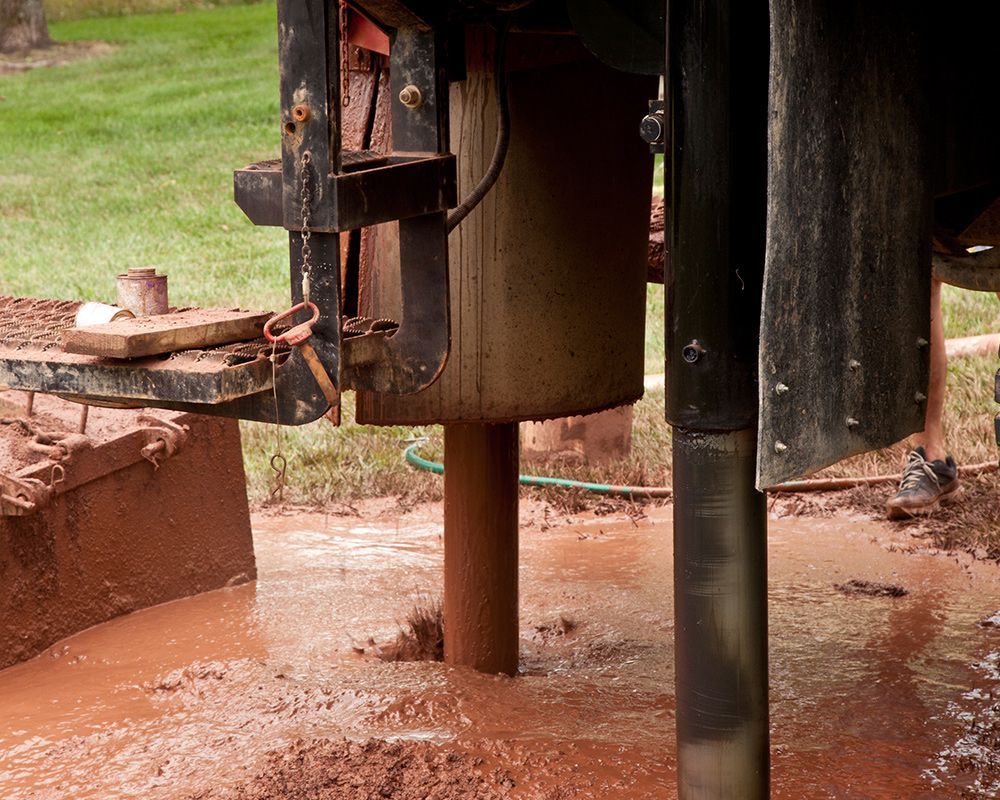
Soil composition directly impacts how surface water filters down into subterranean aquifers and how stable the open borehole remains during construction. Sandy soils filter water quickly but may require specialized casing measures to prevent loose subterranean walls from collapsing during excavation. Heavy clay soil provides natural filtration against surface contaminants, but it can slow down local groundwater recharge rates significantly. Professional drilling companies evaluate these underlying soil layers to determine the necessary depth and technical equipment needed for lasting structural stability.
Seasonal fluctuations in local groundwater levels must also be considered when selecting your final well location on the property. A location that produces abundant water in early spring might dry up during severe summer heatwaves if the borehole is too shallow. Deep aquifers provide consistent, year-round water volume regardless of temporary surface weather trends, intense droughts, or prolonged dry spells. Selecting an optimal site requires planning for these seasonal environmental fluctuations to guarantee a continuous, uninterrupted year-round water supply.
Navigating Property Boundaries and System Accessibility
Municipal zoning laws, land use restrictions, and property line setbacks strictly govern where water wells can be legally installed. Most local jurisdictions require wellheads to remain a minimum distance from neighboring property lines, public roads, rights-of-way, and easement corridors. Failing to adhere strictly to local setback regulations can result in heavy municipal fines or the forced relocation of your entire water system. Experienced drilling companies help navigate these regulatory hurdles by ensuring all chosen locations comply fully with state and local building codes.
Accessibility for heavy machinery is another vital practical consideration that property owners frequently overlook during initial site planning stages. Large rig trucks require a wide, clear overhead path and firm ground conditions to reach the intended wellhead location safely. Overhanging tree branches, narrow gates, steep driveways, unpaved muddy roads, and soft marshy ground can easily block heavy equipment access. Choosing a location that balances legal setback requirements with clear physical equipment access saves property owners considerable time, money, and hassle.
Future property development goals should also guide where you decide to place your permanent water infrastructure on your land. If you plan to build an outbuilding, install an in-ground swimming pool, or expand your primary home later, leave adequate space clear. Placing a well directly where a future building foundation or driveway will go creates expensive logistical headaches down the road. Thoughtful long-term planning ensures your water system supports your overall property goals without interfering with future home expansion plans.
Investing in a private water well provides long-term energy efficiency, water independence, and enhanced property value when planned and executed correctly. Choosing the ideal spot requires a comprehensive approach that carefully considers surface topography, potential contamination risks, hydrogeology, and legal setbacks. According to HomeGuide, a well installed by professionals can function effectively for 30 to 50 years with routine maintenance, even though certain individual components may need replacement sooner. Partnering with top-tier
drilling companies ensures your initial investment yields safe, abundant water for many decades to come.
At Titan Drilling Corp, we are committed to helping you find the perfect location for your high-performing private well system. Our team of certified professionals brings decades of local expertise to every step of your groundwater project. Contact us today to schedule your comprehensive site evaluation and take the first step toward long-term water independence!