September 19, 2026
Low water pressure can quickly turn ordinary household routines into frustrating tasks. Showers may feel weak, faucets may take longer to fill sinks, and appliances that depend on a steady water supply may not operate as effectively as expected. For properties supplied by private wells, pressure problems can originate from several parts of the water system, making it important to identify the underlying issue rather than focusing only on the symptoms.
A well system relies on multiple components working together to move water from underground into a home at a consistent and usable pressure. Changes in the condition of the pump, pressure tank, plumbing, or well itself can disrupt this process. Because these components are interconnected, professional evaluation is often the safest and most effective way to determine what is happening. A qualified water well contractor can examine the complete system, identify the source of the pressure loss, and recommend repairs or maintenance appropriate for the property.
Check for Problems With the Well Pump
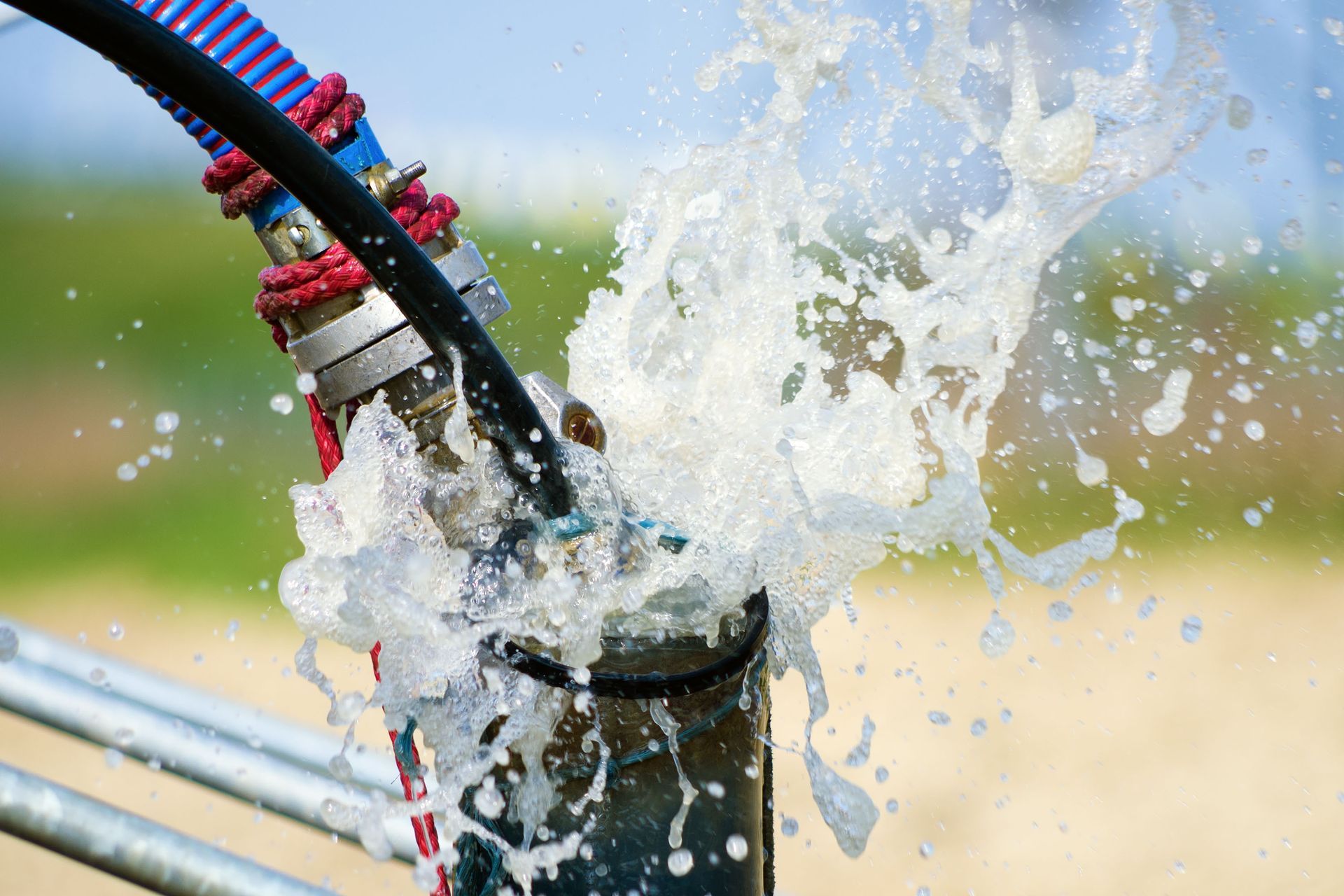
The well pump plays a central role in delivering water from the well to the plumbing system. When it is operating correctly, it provides the water needed to maintain dependable household pressure. As the pump experiences wear, mechanical problems, or declining performance, however, it may struggle to supply water at the rate the household requires. The result can be noticeably weaker pressure at faucets, showers, and fixtures.
Pump problems do not always appear suddenly. Homeowners may notice gradual changes, such as pressure that seems weaker than it used to be or water flow that becomes inconsistent when several fixtures are being used. In other situations, pressure may fluctuate as the pump attempts to keep up with household demand. Unusual operation, frequent cycling, or changes in the sound of the system can also indicate that the pump or related components need professional attention.
Age can be another consideration when evaluating pump performance. According to Home Advisor, a properly maintained well pump typically lasts between 8 and 15 years. Even with appropriate care, mechanical equipment eventually experiences wear, so an older pump may require closer inspection when water pressure begins declining.
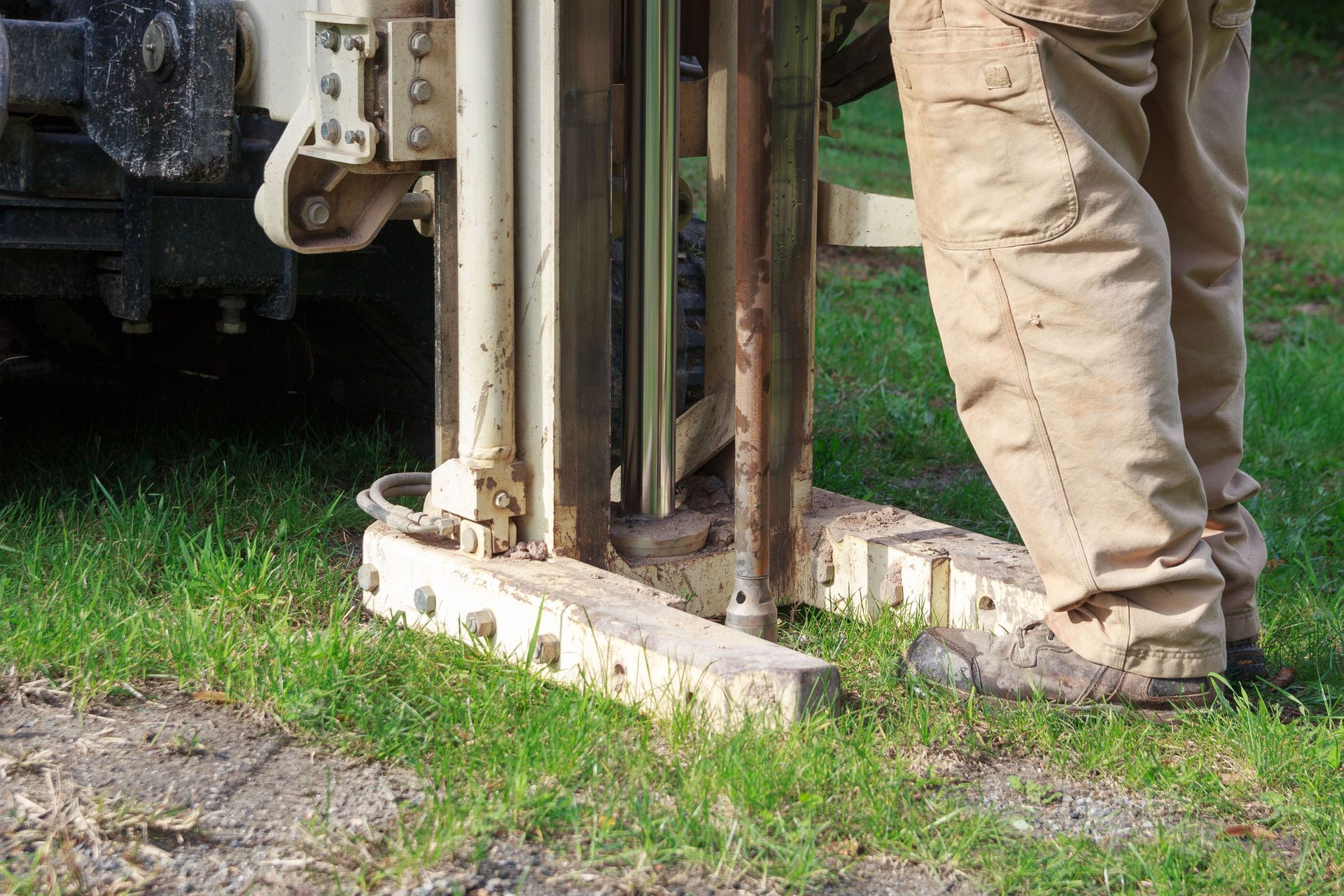
A water well contractor can evaluate pump performance along with the electrical and mechanical components that support its operation. Professional testing can determine whether maintenance, repair, adjustment, or replacement is appropriate. This approach avoids unnecessary replacement when another component is actually causing the problem while ensuring a failing pump does not continue placing additional stress on the system.
Check for Problems With the Pressure Tank
The pressure tank helps regulate how water is delivered throughout a home. Rather than requiring the pump to activate every time someone briefly opens a faucet, the tank stores pressurized water and helps maintain consistent flow. When the tank is functioning properly, this process supports stable water pressure while reducing unnecessary strain on the pump.
A malfunctioning pressure tank can create several noticeable symptoms. Water pressure may rise and fall unexpectedly, fixtures may experience inconsistent flow, or the pump may operate more frequently than normal. In some cases, homeowners may interpret these symptoms as a failing pump even though the pressure tank is the primary source of the problem.
Several conditions can interfere with a tank’s ability to perform properly. Internal components can wear, the relationship between air and water inside the tank can become unbalanced, or the tank itself can deteriorate. Problems involving pressure controls may also affect how the pump and tank work together. Because these components operate as part of one system, diagnosing the issue based on household symptoms alone can be difficult.
A water well contractor can inspect the pressure tank and evaluate how it interacts with the pump and pressure controls. Professional assessment is especially important because simply replacing one component may not resolve the underlying issue if another part of the system is responsible for the abnormal pressure.
Check for Problems With the Plumbing System
Not every pressure problem begins inside the well. Sometimes the well and pump are supplying water correctly, but restrictions elsewhere in the plumbing system prevent that water from reaching household fixtures efficiently. This distinction is important because repairing or replacing well equipment will not solve a pressure problem caused by plumbing restrictions.
Mineral accumulation is one possible source of restricted flow, particularly in properties where the water contains minerals that gradually collect inside pipes or fixtures. As the available passage becomes narrower, less water can move through the plumbing. The resulting reduction in flow may be perceived as low pressure even when the well equipment is functioning normally.
Leaks can create similar symptoms. Water escaping somewhere between the well system and the point of use can reduce the amount available to fixtures. Depending on the location and severity of the problem, the pressure reduction may affect the entire property or only certain areas. Problems involving valves, filtration equipment, treatment systems, or other plumbing components can also interfere with normal flow.
The pattern of the pressure problem can provide useful information during professional diagnosis. If low pressure occurs throughout the property, the cause may differ from a situation in which only one fixture or area is affected. Likewise, pressure that becomes weak only during periods of greater water demand can point professionals toward different possible explanations.
An experienced water well contractor can help determine whether the problem originates with the well equipment or whether additional plumbing evaluation is appropriate. Identifying the location of the restriction before recommending repairs can prevent unnecessary work and provide a more targeted solution.
Check for Problems With the Well’s Water Supply
Sometimes low pressure is connected not to mechanical equipment or household plumbing but to the amount of water available from the well itself. A well must be able to replenish water at a sufficient rate to support household demand. When the available supply changes, the pump may not be able to deliver water as consistently as it normally does.
Groundwater conditions can vary over time. Seasonal changes, extended dry conditions, changes in surrounding groundwater use, and characteristics of the well can influence available water levels. A property that previously experienced dependable pressure may therefore develop noticeable changes even when household water habits have remained largely the same.
A water well contractor can evaluate the well and its equipment to determine whether the available water supply is contributing to the problem. Depending on the findings, professional recommendations may involve servicing existing equipment, modifying the system, or considering other appropriate solutions for the property’s water needs.
Check for the Right Professional Solution
Low well water pressure can have several possible causes, and many of them produce similar symptoms. A weakening pump, malfunctioning pressure tank, restricted plumbing, or changing groundwater supply can all affect how water reaches household fixtures. Treating the symptom without identifying the cause can lead to unnecessary repairs while allowing the actual problem to continue.
Professional diagnosis provides a more complete picture of the system. A water well contractor can evaluate how the pump, tank, controls, well, and related components are functioning together. This comprehensive approach can help distinguish between equipment problems, water supply concerns, and issues located elsewhere in the property’s plumbing.
When low pressure develops, contacting a water well contractor early can make it easier to identify the cause and determine an appropriate response. Well systems contain specialized mechanical, electrical, and water-delivery components, so professional service helps ensure that repairs are based on accurate findings rather than trial and error.
Check for Reliable Well Water Performance
Consistent water pressure is an important part of a dependable private well system. When pressure begins to decline, the problem may originate with the pump, pressure tank, household plumbing, available groundwater, or a combination of factors. Because these possibilities can create similar symptoms, a thorough evaluation is essential for finding the appropriate solution.
A knowledgeable water well contractor can assess the system as a whole and recommend service based on its actual condition. Addressing problems at their source can help restore dependable water flow, reduce unnecessary strain on well equipment, and support the long-term performance of the system.
If your property is experiencing low or inconsistent well water pressure, contact Titan Drilling Corp. We can evaluate your well system, identify potential problems, and explain the services that may help restore reliable performance. Reach out to us today to learn how our team can assist with your well water needs.