April 1, 2026
When embarking on a project to drill a water well, selecting the right contractor is a pivotal decision that can dramatically impact the success of your project. A poor choice could result in unnecessary delays, increased costs, and potential safety hazards. The insights derived from asking pertinent questions can not only save time and money but also prevent future headaches. This article is designed to steer you through the essential inquiries you should make before entrusting a contractor with your well drilling project. By analyzing these critical questions, you open a dialogue that will enable you to assess the qualifications and reliability of your prospective well drilling contractor.
1. Assessing Contractor Experience and Credentials
Experience and credentials are crucial since water well drilling is a specialized field that requires technical proficiency. Asking a contractor about their tenure in the well-drilling business helps you gauge their level of expertise. Contractors who have been in the industry for several years are likely to have a more comprehensive understanding of potential challenges and solutions. For instance, contractors with experience in drilling deep wells, which often exceed 300 feet, are better equipped to handle such demanding projects. Furthermore, seasoned contractors can offer insights and advice that only years of hands-on experience can provide.
Providing references or case studies from past projects allows a contractor to showcase their track record. Reliable contractors will be eager to share testimonials from satisfied clients, as this helps build trust with potential customers. When reviewing references, consider reaching out to previous clients to inquire about their overall satisfaction with the contractor's work. Inquire about the timeliness of project completion and any unexpected issues that arose during the project. References are an indispensable resource for gaining a realistic perspective on what to expect from the contractor.
Licensing and certification are mandatory prerequisites for operating legally in most areas. It is essential to verify that the contractor holds the necessary permits and certifications required by local and state authorities. Proper licensing is an indication that the contractor adheres to industry regulations and maintains a standard of professionalism. Ask about the contractor's continued education or training programs, as staying updated with industry advancements is critical. A commitment to ongoing learning demonstrates the contractor's dedication to maintaining the highest standards of workmanship.
2. Understanding the Scope of the Project
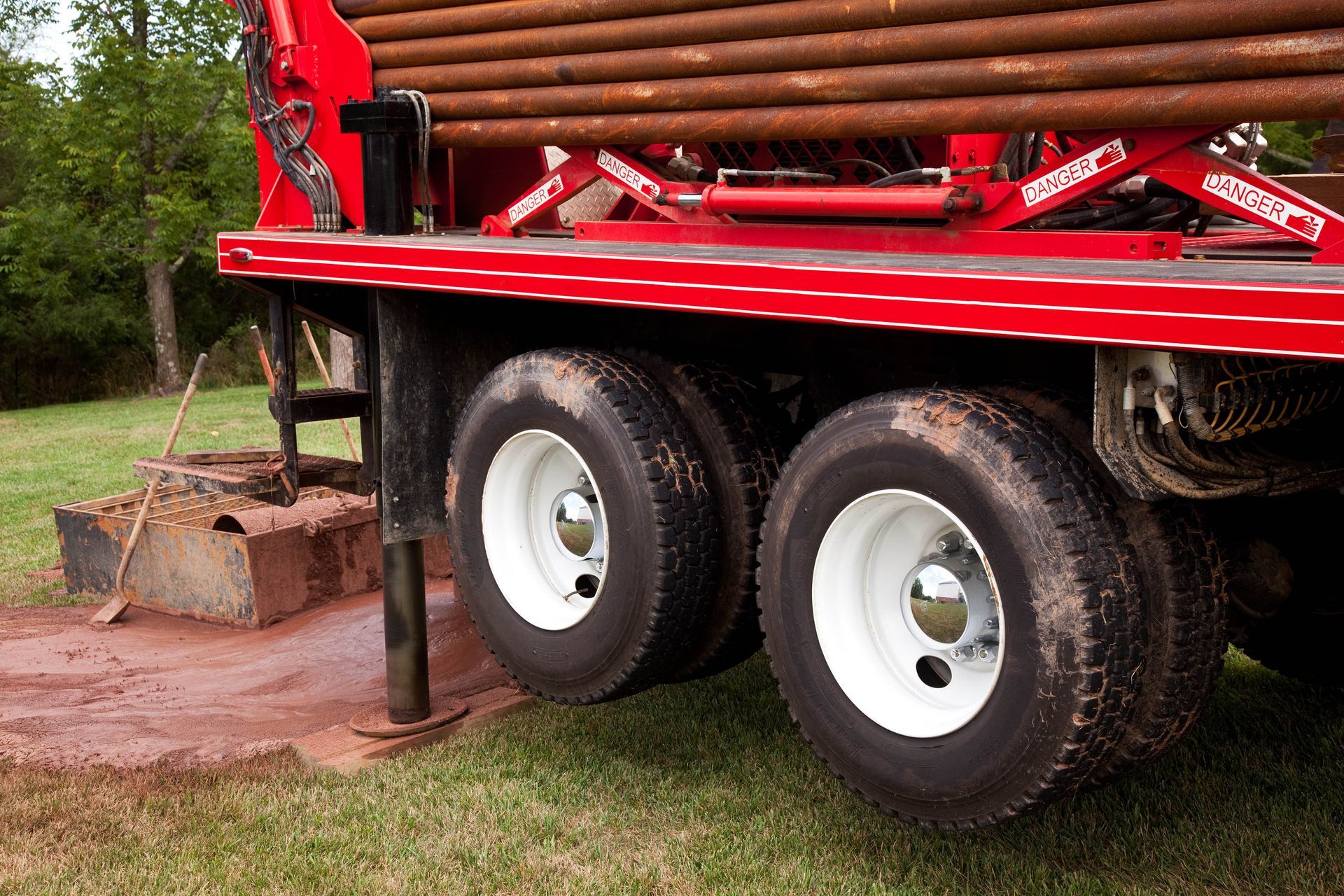
An essential aspect of hiring a water well drilling contractor is understanding their specialization in different well types. Different types of wells, such as deep wells and shallow wells, require specific expertise and equipment. For instance, deep wells typically exceed 300 feet and necessitate the use of drilling rigs and heavy machinery. A contractor who specializes in the type of well you need will be more adept at navigating the unique challenges it presents. This specialization ensures efficiency and reduces the likelihood of costly errors or delays.
Determining the best location for the well is a critical step that requires expert evaluation. Contractors often use a combination of geophysical surveys, local hydrology studies, and historical data to identify optimal drilling sites. By understanding the geological and environmental conditions of your property, contractors can mitigate risks such as water contamination or equipment damage. The identification process also includes evaluating accessibility for the necessary equipment needed during drilling. This comprehensive assessment ensures the chosen location maximizes the well's efficacy while adhering to safety and environmental regulations.
The timeline for completing a well-drilling project is a significant factor in planning and budgeting. Contractors should provide a clear schedule that outlines each phase of the project, from preparation to completion. Discussing the project timeline helps set realistic expectations and allows you to plan for potential disruptions. Additionally, inquire about any factors that could cause delays, such as adverse weather conditions or mechanical issues. A detailed project timeline helps you gauge the contractor's time management skills and commitment to meeting deadlines.
3. Examining Cost and Contract Details
Understanding the estimated cost of a water well drilling project is crucial for budgeting and financial planning. Contractors should provide a comprehensive estimate that outlines all anticipated expenses, including materials, labor, and equipment usage. Transparency in pricing allows you to evaluate whether the contractor's rates are competitive and if there are areas where you can negotiate. It is also crucial to discuss potential additional costs associated with obtaining permits or addressing unforeseen complications during the project. By obtaining a clear financial picture from the outset, you can avoid unpleasant surprises once the project is underway.
Payment terms and schedules should be clearly defined in the contract to prevent misunderstandings. Inquiring about payment structures, such as deposit requirements and milestone-based payments, ensures both parties understand their financial obligations. A well-structured payment plan also offers an opportunity to assess the contractor's consistency and reliability during the project's progression. Furthermore, request information about warranties or guarantees that the contractor offers for their work. Such assurances can provide peace of mind regarding the durability and quality of the completed well.
Requesting a detailed contract is a vital step in ensuring that both parties are aligned on the project scope. The contract should be comprehensive, detailing each phase of the project and specifying the responsibilities of both the contractor and the client. This document should encompass all agreed-upon aspects, including timelines, costs, and project specifications. Reviewing the contract thoroughly before signing helps to clarify expectations and can prevent potential disputes. Always consider consulting with a legal expert to ensure that the contract adheres to local regulations and fully protects your interests.
4. Exploring Sustainability and Environmental Considerations
Sustainability is becoming increasingly important in every industry, and water well drilling is no exception. It is crucial to ask contractors about their practices to ensure that the well construction will not negatively impact the local environment. This includes evaluating how drilling activities might affect the surrounding land, vegetation, and wildlife. Many contractors adopt environmentally friendly practices, such as minimizing land disturbance and using biodegradable lubricants in their equipment. These methods help preserve the environment during and after the construction process.
Preventing water contamination is a top priority when constructing a new well. Contractors should implement strategies to protect aquifers from pollutants during the drilling process. Ensuring proper sealing and casing of the well is essential to reduce the risk of contamination from surface runoff and other external sources. Additionally, contractors may use advanced filtration methods to maintain water purity. These precautions are vital for safeguarding both your water supply and the broader ecosystem.
A forward-thinking approach includes designing wells with adaptability for future demand increases. Discuss with your contractor whether the well can accommodate additional water use or connects to other sustainable water management systems. Some contractors offer solutions for integrating rainwater collection or greywater systems, which can enhance efficiency and conservation. Emphasizing conservation and adaptability not only benefits your immediate needs but also contributes to long-term resource sustainability. Contractors committed to these practices demonstrate an awareness of environmental stewardship and long-term planning.
Choosing the right water well drilling contractor is a decision that should not be taken lightly. It requires careful consideration and a thorough examination of the contractor's experience, project scope understanding, and commitment to sustainability and safety. According to World Water Reserve, deep wells often exceed 300 feet and require professional contractors with drilling rigs and heavy machinery. These facets are evaluated through a series of key questions that provide insights into the contractor's qualifications and reliability. By addressing these questions, you can ensure that your water well project is managed by experienced professionals who value quality, safety, and environmental sustainability. In doing so, you lay the groundwork for a successful venture that meets your current and future water supply needs. Be sure to reach out to Titan Drilling Corp today for more information on our professional water well drilling!